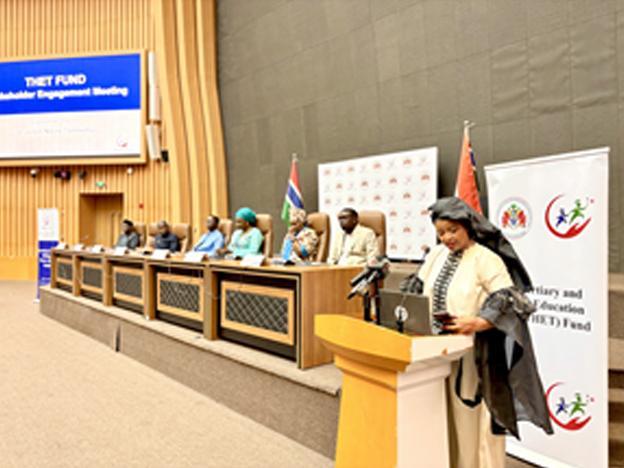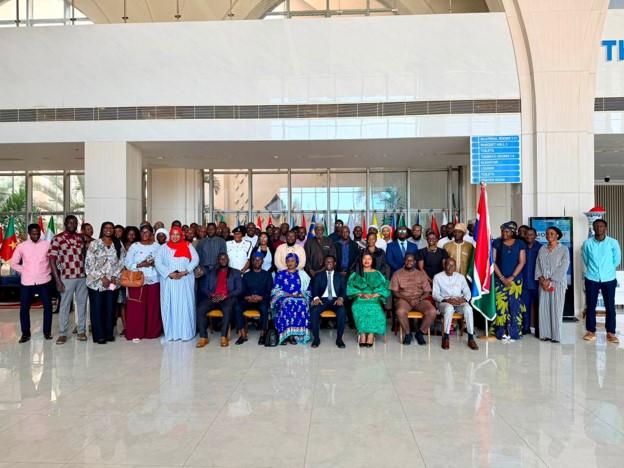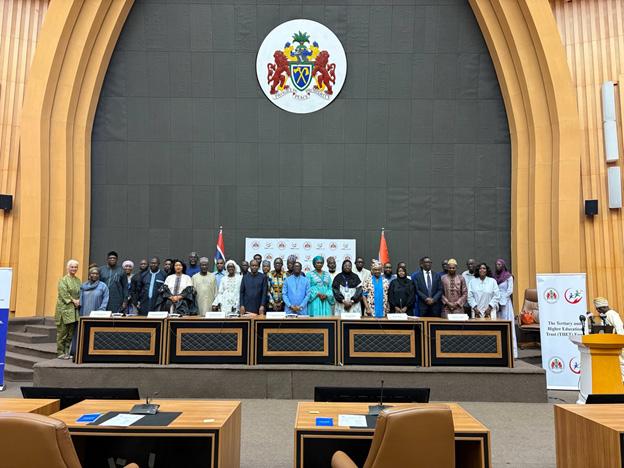
The high-level forum brought together government officials, diplomatic representatives, development partners, private sector leaders, tertiary institutions, civil society organisations, students and youth groups to help shape the future of tertiary and higher education financing in the country.
Delivering the keynote address, the Honourable Minister of Higher Education, Research, Science and Technology emphasised that workforce readiness must go beyond academic certification. He called for sustained investment in modern laboratories, digital learning spaces and inclusive access to education, particularly for rural learners, women and persons with disabilities.
Chairperson of the THET Fund Board of Trustees, Mr. Muhammed Jah, described workforce development as a shared national responsibility and urged stronger private sector participation in skills development initiatives.
The Executive Director of the THET Fund, Dr Jorjoh Ndure-Tambedou, presented the Fund’s mandate and milestones, outlining its strategic direction and long-term institutional vision.
In her speech, Dr Jorjoh underlined the significance of the THET Fund by saying, “We are not just a fund - we are a CATALYST for transformation”
A major highlight of the workshop was the unveiling of the Fund’s operational framework.
The Director of Infrastructure and Strategic Partnerships, Mrs Kumbale Goode, presented the Fund’s multi-source financing model, drawing from government contributions, development partner support, private sector participation, grants and endowments. She noted that funding windows would prioritise research and innovation, institutional strengthening and equitable access, with calls for applications expected to be rolled out in phases.
The Programme Director Mr Modou Touray outlined the governance framework guiding the Fund’s operations, highlighting the legal and institutional safeguards designed to ensure transparency and effective implementation.
Finance Director Mr Seedia B. Jammeh also underscored the financial oversight mechanisms and performance-based funding model aimed at strengthening accountability.
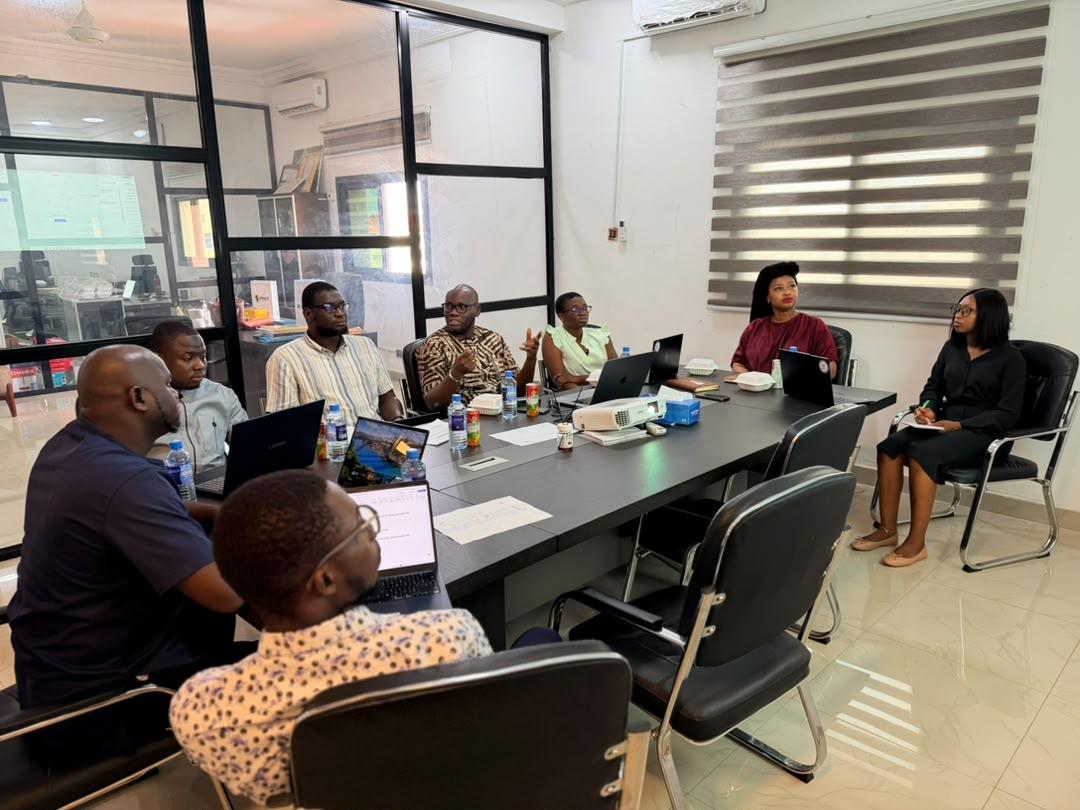
Meanwhile, the Director of Education Support and Workforce Development, Ms Yassin Sagnia, presented the operational roadmap, including a 90-day action plan ahead of the Fund’s pilot initiatives.
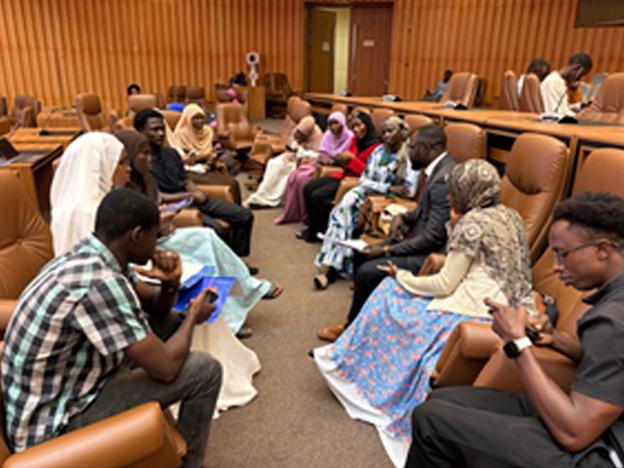
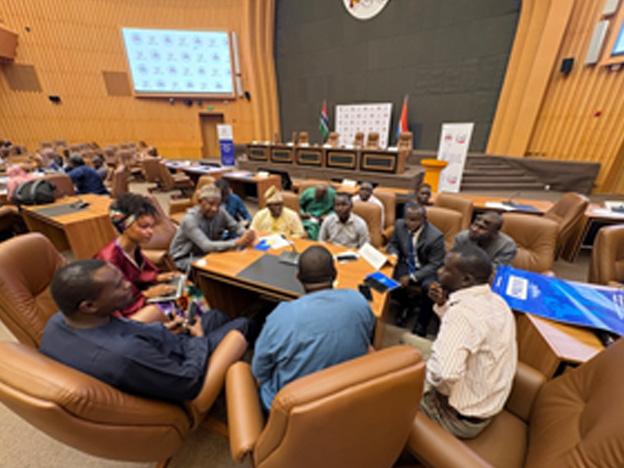
The workshop concluded with panel discussions and group sessions, giving stakeholders the opportunity to identify institutional needs and outline priority interventions for the sector.
The engagement reflects a growing national recognition that investment in tertiary and higher education is essential to building a skilled workforce and supporting The Gambia’s long-term development.